Mercedes-Benz is taking a major step forward in electric vehicle technology with the introduction of axial flux motors, a revolutionary innovation that promises to reshape the future of high-performance electric mobility. As the automotive industry continues its transition toward electrification, manufacturers are searching for ways to improve efficiency, reduce weight, and increase performance. Mercedes-Benz believes axial flux motor technology could be the answer.
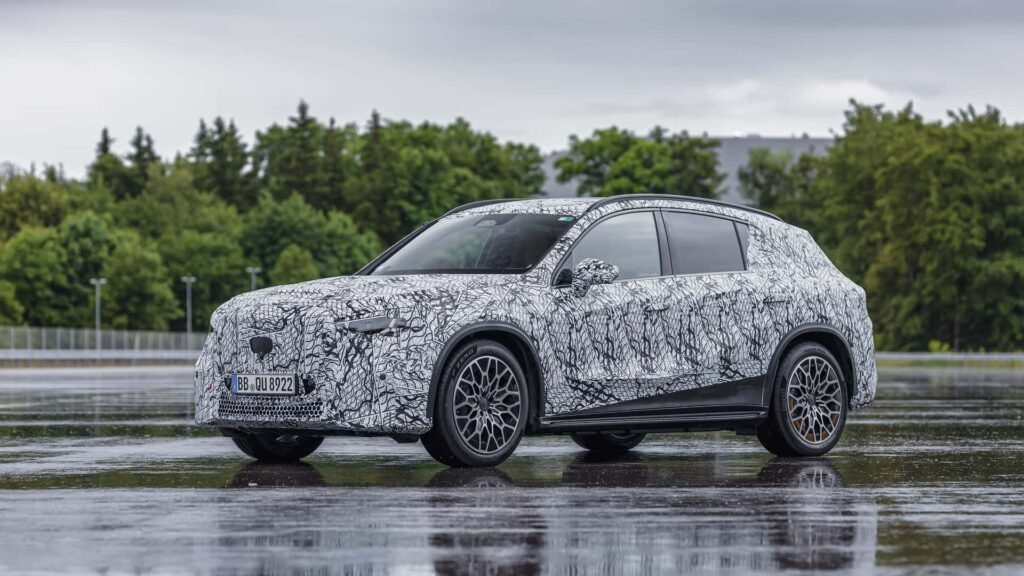
Unlike conventional radial flux motors used in most electric vehicles today, axial flux motors feature a different design that allows them to deliver significantly higher power density while occupying less space. This innovative architecture enables the motor to generate more power and torque from a smaller and lighter package, making it an attractive solution for next-generation electric vehicles.
One of the biggest advantages of axial flux motors is their compact size. Traditional electric motors are often bulky and require significant installation space within the vehicle. Axial flux motors, however, are thinner and lighter, allowing engineers greater flexibility when designing electric platforms. This can help manufacturers improve vehicle packaging, increase cabin space, and optimize battery placement.
Performance is another area where axial flux motors stand out. Thanks to their unique design, these motors can deliver exceptional torque and acceleration while maintaining high levels of efficiency. For drivers, this means faster response times, improved driving dynamics, and enhanced overall performance. Mercedes-Benz aims to use this technology to create electric vehicles that not only match but exceed the capabilities of traditional combustion-powered performance cars.
Efficiency remains one of the most important factors in electric vehicle development. By reducing energy losses and improving power delivery, axial flux motors can help extend driving range without requiring larger battery packs. Improved efficiency also contributes to better sustainability by maximizing the use of stored energy and reducing overall resource consumption.
Mercedes-Benz has partnered with leading motor technology specialists to bring axial flux innovation into production vehicles. The company sees this technology as a critical component of its long-term electrification strategy. As competition in the EV market intensifies, advanced motor systems are becoming a key differentiator among manufacturers seeking to deliver superior performance and efficiency.
The benefits of axial flux motors extend beyond performance vehicles. Luxury sedans, SUVs, and future electric mobility solutions can all benefit from the technology. Lighter motors contribute to reduced vehicle weight, which improves handling, efficiency, and overall driving experience. Additionally, the compact design creates opportunities for innovative vehicle architectures that may not have been possible with traditional motor configurations.
Another significant advantage is thermal management. Efficient cooling plays a crucial role in maintaining electric motor performance under demanding conditions. Axial flux motors can be engineered to manage heat effectively, helping maintain consistent power output during high-performance driving scenarios. This makes them particularly suitable for premium electric vehicles where performance and reliability are top priorities.
Mercedes-Benz’s adoption of axial flux motors reflects a broader industry trend toward innovation in electric powertrain technology. While battery development often receives the most attention, advancements in motor design can have an equally significant impact on vehicle performance and efficiency. By focusing on both areas, automakers can create more capable and appealing electric vehicles for consumers.
As electric vehicle adoption continues to grow worldwide, technologies that enhance efficiency and performance will become increasingly important. Mercedes-Benz’s investment in axial flux motors demonstrates its commitment to remaining at the forefront of automotive innovation. The company is not only pursuing electrification but also working to redefine what drivers can expect from electric vehicles.
The introduction of axial flux motors marks an exciting chapter in Mercedes-Benz’s electric future. By combining cutting-edge engineering with advanced powertrain technology, the automaker is positioning itself to deliver a new generation of EVs that offer greater performance, improved efficiency, and enhanced driving experiences. As these motors begin appearing in future models, they could set new benchmarks for the entire electric vehicle industry.
FAQs
1. What is an axial flux motor?
An axial flux motor is an electric motor design that delivers high power and torque in a compact, lightweight package compared to traditional radial flux motors.
2. Why is Mercedes-Benz using axial flux motors?
Mercedes-Benz is adopting axial flux technology to improve electric vehicle performance, efficiency, packaging, and driving dynamics.
3. How are axial flux motors different from conventional EV motors?
They use a different magnetic field arrangement, allowing greater power density, lower weight, and improved efficiency.
4. Will axial flux motors increase EV driving range?
Yes, their higher efficiency can help reduce energy consumption and potentially extend driving range.
5. Which Mercedes-Benz vehicles will use axial flux motors?
The company is expected to introduce the technology in future high-performance and premium electric vehicle models as part of its electrification strategy.