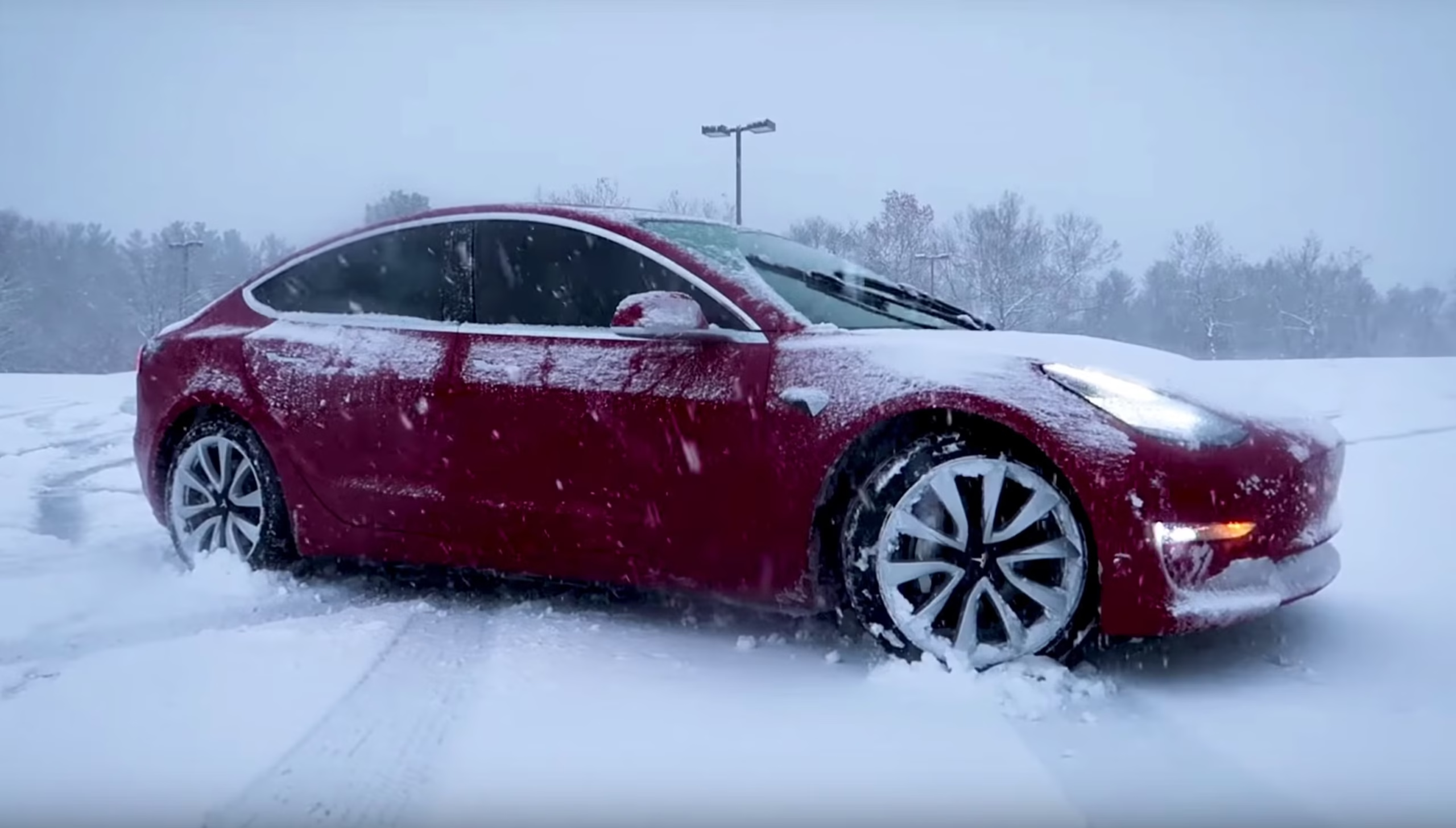
Tesla is facing legal challenges in Canada as a group of drivers from Quebec has launched a lawsuit alleging that the company’s heat pump systems failed to perform properly during extremely cold winter conditions. The case has attracted significant attention because efficient cabin heating and battery management are critical features for electric vehicles operating in regions known for harsh winters.
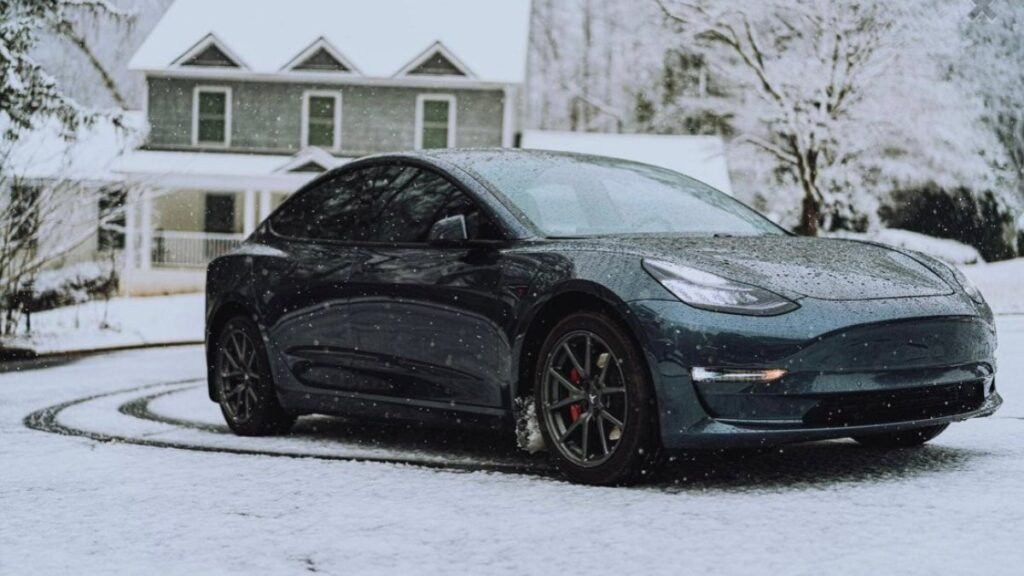
According to the lawsuit, several Tesla owners claim that the heat pump system in their vehicles did not provide adequate heating during periods of severe cold. Drivers allege that the issue resulted in reduced cabin comfort and raised concerns about vehicle performance and safety during winter travel. The plaintiffs argue that the problem affected their overall ownership experience and that Tesla should be held accountable for the alleged defects.
Heat pumps have become an important component in modern electric vehicles. Unlike traditional resistance-based heating systems, heat pumps are designed to improve energy efficiency by transferring heat rather than generating it directly. This approach helps electric vehicles conserve battery power, which can be especially valuable during winter months when cold temperatures can reduce battery efficiency and driving range.
Tesla introduced heat pump technology in several of its vehicle models as part of an effort to improve efficiency and range performance. The system was promoted as a more advanced solution capable of helping vehicles operate effectively across various weather conditions. However, some owners have reported challenges when temperatures drop significantly below freezing.
The Quebec lawsuit claims that certain Tesla vehicles experienced insufficient heating performance during extreme cold weather. Drivers involved in the case argue that the vehicles did not provide the level of heating expected from a premium electric vehicle. Some plaintiffs also claim that the issue may have impacted windshield defrosting and overall comfort during long winter journeys.
Quebec is known for its severe winter climate, with temperatures frequently falling well below freezing. For residents who rely on their vehicles daily, dependable heating systems are considered essential rather than optional. As electric vehicle adoption continues to grow across Canada, consumers are increasingly paying attention to how these vehicles perform in challenging weather conditions.
Tesla has not publicly admitted to any wrongdoing related to the claims outlined in the lawsuit. The company has previously released software updates and service improvements aimed at enhancing vehicle performance and addressing customer concerns. As with many legal disputes involving automotive manufacturers, the outcome of the case may depend on technical evaluations, expert testimony, and evidence presented by both sides.
The lawsuit also highlights broader questions surrounding electric vehicle reliability in cold climates. While EV technology has improved significantly over the past decade, winter performance remains an important topic for consumers and manufacturers alike. Automakers continue to invest in battery technology, thermal management systems, and software optimization to ensure vehicles perform consistently across different environmental conditions.
Industry experts note that all electric vehicles experience some impact from cold temperatures, including reduced battery efficiency and increased energy consumption for cabin heating. However, consumers generally expect heating systems to function effectively regardless of outside conditions. This expectation is particularly important in regions where winter weather can be severe for extended periods.
The legal action in Quebec may influence discussions about product design, customer expectations, and manufacturer responsibilities in the rapidly expanding electric vehicle market. If the case proceeds through the courts, it could provide greater clarity regarding performance standards for EV heating systems in extreme climates.
For Tesla, the lawsuit represents another challenge as the company continues to expand its global presence and compete in an increasingly crowded electric vehicle market. Regardless of the final outcome, the case underscores the importance of reliability, customer satisfaction, and real-world performance in regions that experience some of the harshest winter conditions in North America.
FAQs
1. Why are Quebec drivers suing Tesla?
The lawsuit alleges that Tesla’s heat pump systems failed to provide adequate heating during extremely cold winter conditions.
2. What is a heat pump in an electric vehicle?
A heat pump is an energy-efficient system that transfers heat to warm the cabin while helping conserve battery power.
3. Which Tesla models are affected by the lawsuit?
The lawsuit focuses on Tesla vehicles equipped with heat pump technology, though specific models may vary among plaintiffs.
4. Has Tesla responded to the allegations?
Tesla has not publicly admitted wrongdoing regarding the claims made in the lawsuit.
5. Why is this case important for EV owners?
The case highlights concerns about electric vehicle performance, cabin heating, and reliability in extremely cold climates.