Xiaomi has quickly become one of the most talked-about companies in the electric vehicle industry. After achieving significant success with its first electric sedan, the company has continued expanding its automotive ambitions with new vehicle launches and production plans. However, recent discussions surrounding Xiaomi’s electric SUV inventory levels have sparked a debate among industry observers. Are the growing inventory numbers a sign of slowing demand, or are they simply part of Xiaomi’s strategy to prepare for future deliveries?
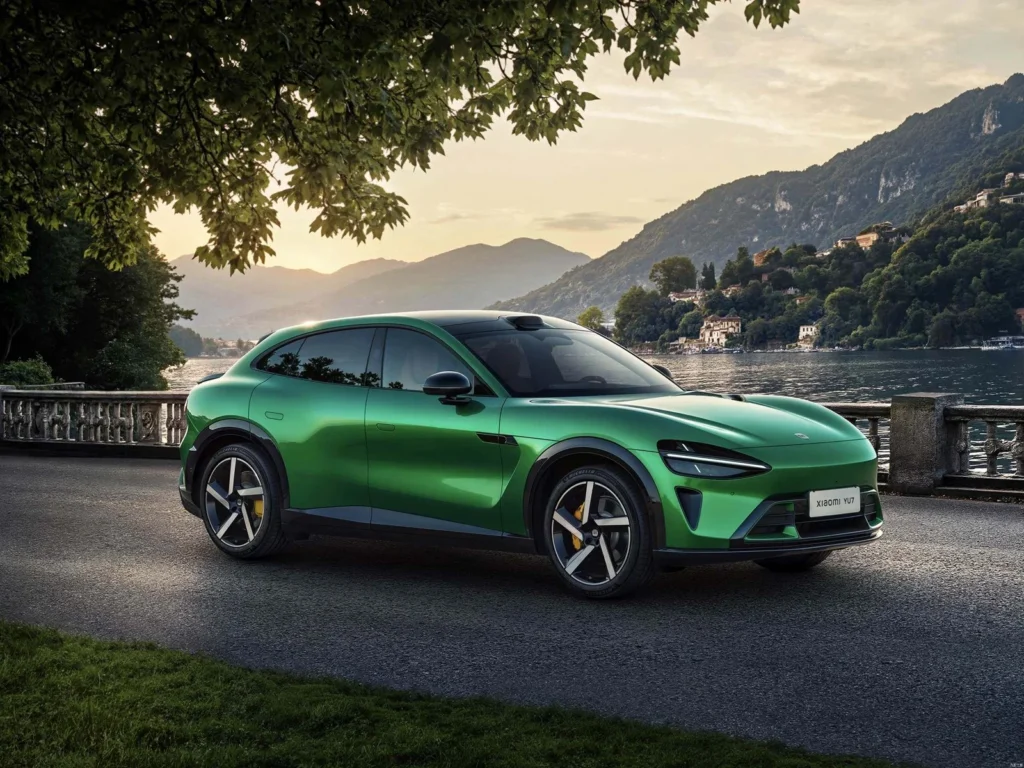
The question has gained attention as Xiaomi continues to increase production capacity while simultaneously promoting its expanding EV lineup. Some analysts believe rising inventory levels could indicate that demand is beginning to cool after the initial excitement surrounding the brand’s entry into the automotive market. Others argue that the numbers do not necessarily reflect weak sales and may instead be linked to logistics, production planning, and delivery schedules.
One of the primary reasons inventory levels have become a topic of discussion is Xiaomi’s aggressive manufacturing strategy. The company has invested heavily in scaling up production to meet what it expects will be strong long-term demand. Building inventory ahead of major delivery periods is a common practice in the automotive industry, especially when companies anticipate high order volumes or plan to enter new markets.
Supporters of Xiaomi’s strategy point out that inventory alone cannot accurately measure consumer demand. Electric vehicle manufacturers often build vehicles before customer deliveries begin, resulting in temporary stock increases. In such cases, inventory growth may simply reflect production efficiency rather than weak sales performance.
Another factor influencing inventory numbers is supply chain management. Automakers must balance component availability, factory output, and transportation logistics. Delays in any part of the process can temporarily increase inventory even when customer demand remains healthy. For a rapidly growing company like Xiaomi, managing these moving parts can be particularly challenging.
Industry experts also note that Xiaomi’s brand strength remains a significant advantage. The company has built a loyal customer base through its smartphones, smart home products, and consumer electronics ecosystem. Many consumers are attracted to the idea of owning an electric vehicle that integrates seamlessly with Xiaomi’s broader technology platform.
The electric SUV segment itself remains one of the fastest-growing categories in the global automotive market. Consumer interest in SUVs continues to rise due to their practicality, spacious interiors, and advanced technology features. Xiaomi’s decision to enter this segment aligns with broader industry trends and could position the company for sustained growth if demand remains strong.
However, skeptics argue that competition in the EV market is becoming increasingly intense. Established automakers and emerging electric vehicle brands are launching new models at a rapid pace. This growing competition could make it more difficult for Xiaomi to maintain the same level of demand that accompanied its initial vehicle launches.
Pricing also plays a critical role. Consumers are becoming more price-sensitive as economic conditions fluctuate in many regions. If Xiaomi can continue offering competitive pricing while maintaining advanced technology features, it may be able to preserve its market momentum despite increasing competition.
Ultimately, determining whether Xiaomi’s inventory reflects strong demand or excess stock requires a broader view of delivery numbers, order backlogs, production rates, and customer satisfaction. Inventory data alone rarely tells the full story.
For now, Xiaomi’s electric SUV inventory remains a topic of speculation rather than definitive evidence of either booming demand or slowing sales. As more sales and delivery data become available, investors and consumers will gain a clearer picture of how Xiaomi’s automotive business is performing.
What remains certain is that Xiaomi has established itself as a serious player in the electric vehicle industry. Whether the current inventory levels represent strategic preparation or a potential challenge, the company’s next few quarters will be closely watched by the global automotive market.
FAQs
1. Why is Xiaomi’s SUV inventory attracting attention?
Industry observers are analyzing inventory levels to determine whether they indicate strong future demand or potential sales challenges.
2. Does higher inventory always mean weak demand?
No. Inventory can increase due to production planning, logistics, delivery schedules, or preparation for future customer orders.
3. Is Xiaomi expanding its electric vehicle business?
Yes. Xiaomi continues to invest in manufacturing capacity and new vehicle models as part of its long-term EV strategy.
4. How competitive is the electric SUV market?
The market is highly competitive, with traditional automakers and EV startups launching new SUV models regularly.
5. What factors will reveal the true demand for Xiaomi’s SUVs?
Delivery figures, customer orders, production rates, and sales performance will provide a clearer picture than inventory data alone.