Volkswagen is expanding its electric vehicle ambitions with the Volkswagen ID.Cross, a compact electric SUV designed to make electric mobility more accessible to European buyers. The model is associated with a starting price below €28,000 and a 37 kWh battery option, positioning it as a potential entry point into Volkswagen’s growing ID electric vehicle family.
The ID.Cross is expected to appeal to drivers who want an affordable electric vehicle with practical dimensions, modern technology, and everyday usability. Its compact SUV design could make it suitable for city driving while providing the elevated seating position and flexible cabin space many buyers prefer. However, specifications, pricing, and availability should be checked against Volkswagen’s official announcements because details can vary by market and version.
Volkswagen ID.Cross: Design and Exterior
The Volkswagen ID.Cross follows the compact SUV approach, combining a relatively small footprint with a practical body style. Its design is expected to reflect Volkswagen’s newer electric vehicle styling, with clean surfaces, modern lighting, and a distinctive front end.
The SUV format offers potential advantages for everyday driving. A raised seating position can provide a better view of surrounding traffic, while the compact dimensions can make parking and navigating narrow urban streets easier than with a larger SUV.
Volkswagen’s electric ID family generally focuses on modern design without making the vehicles unnecessarily complicated. The ID.Cross could follow this philosophy with a straightforward exterior and a contemporary appearance intended to appeal to a broad audience.
37 kWh Battery and Electric Performance
One of the key reported features of the Volkswagen ID.Cross is its 37 kWh battery option. A battery of this capacity could help keep the vehicle’s purchase price and overall weight under control, making it attractive to drivers whose regular journeys are relatively short.
The practical driving range would depend on the final battery configuration, electric motor efficiency, vehicle weight, driving speed, weather conditions, and use of climate control. City driving can sometimes be more efficient than sustained high-speed motorway driving, although actual results vary.
Volkswagen has not necessarily made every technical detail available for every version, so the official WLTP range, charging performance, and motor output should be verified before making a purchase decision. Buyers should also check whether larger-battery versions will be offered for people who regularly travel longer distances.
Expected Price Below €28,000
The reported starting price below €28,000 is an important part of the ID.Cross proposition. Electric SUVs can be expensive, particularly when equipped with larger batteries and additional technology. A lower entry price could help Volkswagen reach customers who are considering switching from petrol-powered compact cars.
Pricing may differ between European countries because of taxes, equipment packages, delivery charges, and local incentives. The entry-level version may also have fewer features or a smaller battery than more expensive variants.
Government incentives, where available, could further affect the effective purchase price. Buyers should therefore compare the final on-road price rather than relying exclusively on the advertised starting figure.
Interior, Space, and Technology
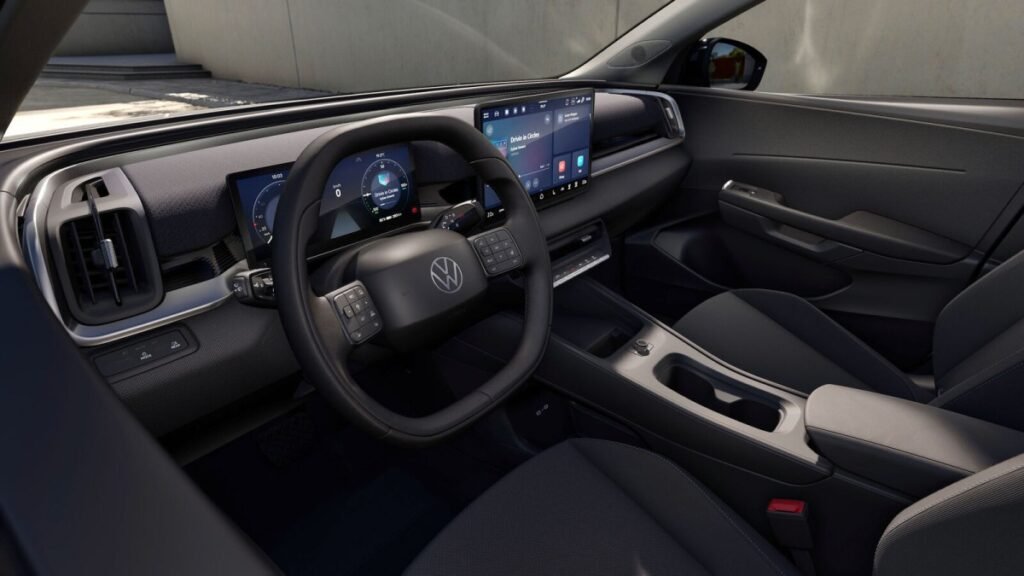
Inside, the Volkswagen ID.Cross is expected to focus on practicality and contemporary technology. A modern digital instrument display, touchscreen infotainment system, smartphone connectivity, and driver-assistance features could form part of its equipment, depending on the trim level.
The compact SUV body style may provide useful headroom and flexible storage for daily shopping, commuting, and family trips. The exact passenger space and luggage capacity will depend on the production model’s final dimensions and interior layout.
Volkswagen’s approach to electric vehicles also places emphasis on simplified controls and connected features. However, the exact screen sizes, software functions, materials, and standard equipment should be confirmed from the official specification sheet.
Charging and Everyday Usability
Charging convenience will be an important factor for potential ID.Cross buyers. Home charging can make an electric vehicle particularly practical for drivers who can park near a suitable charging point. Public charging stations provide another option for longer journeys.
The maximum AC and DC charging rates, charging times, and supported charging features should be checked for the specific version. These details can make a significant difference to ownership, especially for drivers without access to home charging.
The 37 kWh battery configuration may be most suitable for commuters and households that primarily use their vehicles for local travel. Drivers who regularly take long motorway trips should compare the available range and charging performance with their needs.
Volkswagen ID.Cross: Expected Competition
The ID.Cross could compete with affordable electric SUVs and compact electric crossovers from other manufacturers in Europe. Its strongest selling points may be its compact dimensions, Volkswagen branding, SUV practicality, and competitive starting price.
The final buying decision will depend on more than the battery capacity alone. Real-world range, charging speed, safety equipment, warranty coverage, cabin quality, and running costs will all influence its value.
Conclusion
The Volkswagen ID.Cross could become an interesting option for European buyers seeking a practical and relatively affordable electric SUV. Its reported 37 kWh battery option and starting price below €28,000 suggest a focus on accessible electric mobility.
Before placing an order, buyers should confirm the final price, WLTP driving range, charging specifications, equipment, and delivery schedule through Volkswagen’s official channels. These details will determine how competitive the ID.Cross is in Europe’s growing electric vehicle market.
Frequently Asked Questions
1. What is the starting price of the Volkswagen ID.Cross?
The entry-level Volkswagen ID.Cross Trend with a 37 kWh battery starts at €27,995 in Germany.
3. How powerful is the Volkswagen ID.Cross 37 kWh?
It is available with reported power outputs of 85 kW (116 PS) and 99 kW (135 PS).
4. How long does the Volkswagen ID.Cross take to charge?
DC fast charging from 10% to 80% takes approximately 23 minutes under the stated conditions.
5. Is the Volkswagen ID.Cross suitable for city driving?
Yes. Its compact SUV format and 37 kWh battery option are aimed particularly at urban driving and daily commuting.