Electric vehicles have changed the way people think about performance. Once considered practical alternatives to petrol and diesel cars, modern EVs are now capable of delivering incredible acceleration, impressive top speeds and supercar-level performance. Some electric cars can accelerate from 0 to 100 km/h in less than two seconds, making them among the quickest production vehicles available.
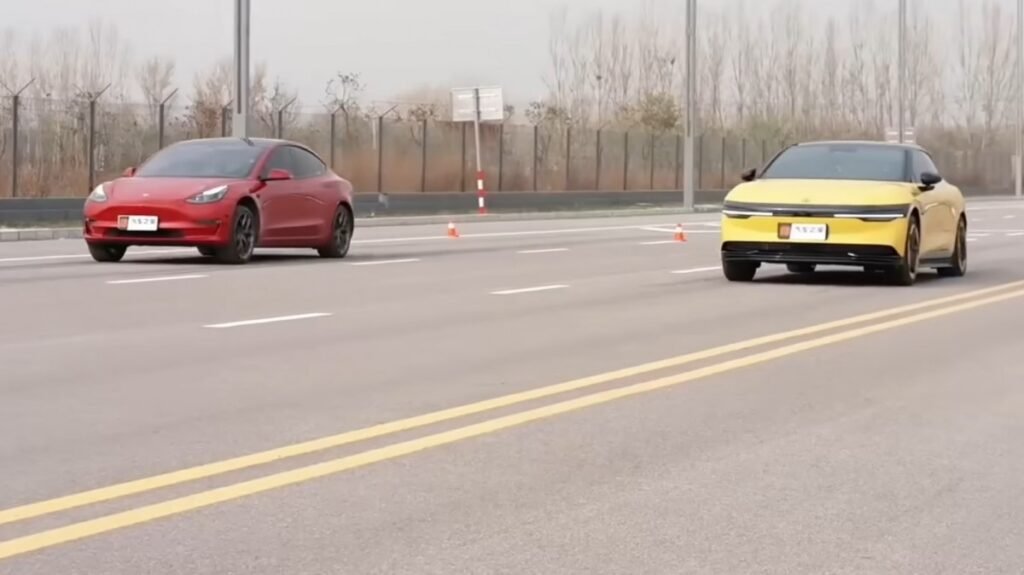
But which electric vehicle is actually the fastest? The answer depends on whether we are talking about acceleration, maximum top speed or overall performance. In this grand test, we explore some of the fastest electric cars and what makes them stand out.
Electric Cars Are Becoming Faster Than Ever
Electric motors deliver instant torque, allowing electric vehicles to accelerate extremely quickly. Unlike traditional combustion engines, they do not need to build up engine speed before delivering maximum power. This gives performance EVs a major advantage during acceleration.
Manufacturers are also using advanced battery technology, powerful electric motors and sophisticated traction control systems to improve performance. As a result, electric hypercars and performance sedans are becoming increasingly competitive with traditional supercars.
Rimac Nevera: One of the Fastest Electric Hypercars
The Rimac Nevera is among the most impressive electric hypercars ever developed. It features four electric motors, one for each wheel, providing an advanced all-wheel-drive system.
The Nevera produces approximately 1,914 horsepower and can accelerate from 0 to 100 km/h in around 1.81 seconds under suitable conditions. Its officially recorded top speed is approximately 412 km/h, making it one of the fastest production electric cars.
Its sophisticated torque-vectoring technology helps distribute power between the wheels, improving acceleration, stability and cornering performance.
Tesla Model S Plaid: Extreme Acceleration
The Tesla Model S Plaid is one of the most recognizable high-performance electric sedans. It features a three-motor powertrain delivering more than 1,000 horsepower.
Tesla claims a 0–60 mph acceleration time of approximately 1.99 seconds, excluding rollout. Its top speed can reach around 322 km/h when equipped with the appropriate configuration.
The Model S Plaid combines exceptional acceleration with a spacious interior, advanced technology and everyday usability. This makes it different from dedicated electric hypercars designed primarily for performance.
Lucid Air Sapphire: A Luxury Performance EV
The Lucid Air Sapphire demonstrates that luxury electric sedans can also deliver extraordinary performance. Its three-motor configuration produces more than 1,200 horsepower, allowing it to compete with some of the world’s fastest performance cars.
The vehicle offers impressive acceleration while maintaining a premium cabin, advanced technology and comfortable driving characteristics.
It represents another important development in the high-performance electric vehicle market, where manufacturers are combining luxury with extreme speed.
Which EV Is the Fastest?
The fastest EV depends on the performance category being considered. The Rimac Nevera is among the leading production electric hypercars when maximum speed and acceleration are considered together.
The Tesla Model S Plaid remains an important benchmark for acceleration in a practical electric sedan, while the Lucid Air Sapphire offers a combination of luxury and performance.
It is also important to distinguish between production vehicles, modified cars and experimental electric prototypes. Some specially prepared EVs can achieve significantly higher speeds, but they may not be available for ordinary road use.
The Future of Fast Electric Cars
Electric vehicle performance is expected to improve further as battery technology, electric motors and vehicle aerodynamics continue developing. Manufacturers are working to increase power output while reducing vehicle weight and improving efficiency.
The future could bring electric cars with even higher top speeds, faster acceleration and better thermal management systems.
Ultimately, electric vehicles have already proved that sustainable transportation does not have to sacrifice performance. The competition between electric hypercars and high-performance sedans is making the automotive industry more exciting than ever.
FAQs
1. Which is the fastest electric car in the world?
The Rimac Nevera is among the fastest production electric cars, with a top speed of approximately 412 km/h.
2. Which electric car has the fastest acceleration?
The Rimac Nevera and Tesla Model S Plaid are among the leading electric cars for acceleration.
3. How fast is the Rimac Nevera?
The Rimac Nevera has an officially recorded top speed of approximately 412 km/h.
4. How fast is the Tesla Model S Plaid?
The Tesla Model S Plaid can reach approximately 322 km/h with the appropriate configuration.
5. Are electric cars faster than petrol supercars?
Some electric cars accelerate faster than petrol supercars because electric motors deliver instant torque.