Apple has finally entered the foldable smartphone market with the iPhone Duo, but its arrival does not necessarily solve the biggest problems that have affected foldable phones for years. The company has introduced a premium foldable design with a large internal display, a slim profile and the familiar iPhone experience. However, some limitations remain, particularly around thickness, durability, battery life and the overall usefulness of the foldable form factor.
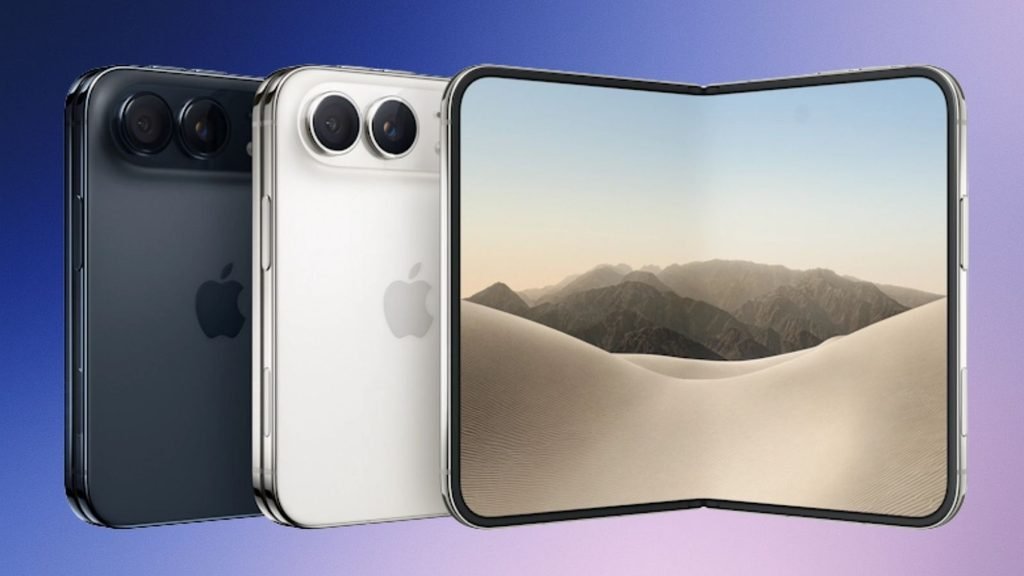
The iPhone Duo is designed to offer users a larger screen without completely giving up the portability of a smartphone. When unfolded, it provides a tablet-like display, while the outer screen allows users to perform everyday tasks without opening the device. This concept is not new, but Apple’s implementation could make foldables more attractive to mainstream buyers.
Thickness Remains a Challenge
One of the biggest issues with foldable smartphones is their thickness. Even though manufacturers have made significant improvements over the past few years, folding phones are still generally thicker than traditional smartphones.
The iPhone Duo is no exception. Its folding mechanism requires additional components, including two display sections, a hinge and other internal hardware. When folded, the device becomes noticeably thicker than a regular iPhone.
For users who prioritize a slim and lightweight smartphone, this could remain an important disadvantage. The large unfolded display is useful, but carrying a thicker device every day may not appeal to everyone.
The Foldable Display Still Has Limitations
Another major challenge is the folding display itself. Flexible OLED panels have improved considerably, but they still require more careful handling than conventional smartphone screens.
The folding area can also remain visible depending on the viewing angle and lighting conditions. While Apple may have reduced the visibility of the crease, completely eliminating it remains difficult because of the physical nature of folding displays.
There is also the question of long-term durability. Traditional iPhone displays are protected by rigid glass, whereas a foldable internal display needs to remain flexible. This creates additional engineering challenges and could make repairs more complicated and expensive.
Battery Life Could Be a Concern
Foldable phones need to power multiple displays and additional hardware while maintaining a reasonable battery size. This is another area where foldables have historically faced compromises.
The iPhone Duo’s larger internal display could consume considerably more power when used for extended periods. Users who frequently watch videos, play games or multitask on the unfolded screen may place greater demands on the battery.
Apple’s processor and software optimization could help improve efficiency, but battery endurance will still depend heavily on how the device is used.
Is the Bigger Screen Really Necessary?
The biggest question surrounding the iPhone Duo may not be technical at all. It is whether consumers actually need a foldable iPhone.
The unfolded display provides more space for multitasking, gaming, video watching, browsing and productivity. However, many users already find the standard iPhone display large enough for everyday tasks.
This means the iPhone Duo needs to offer more than simply a larger screen. Apple’s software must take advantage of the additional display area with useful multitasking features, better app layouts and productivity tools.
Premium Pricing Could Limit Its Appeal
Another major problem with foldable smartphones is price. Foldable technology remains expensive to manufacture, and premium components can significantly increase the retail cost.
The iPhone Duo is positioned as a high-end Apple product, meaning its price could be considerably higher than conventional iPhone models. For many buyers, the additional cost may not justify the larger screen.
Conclusion
The iPhone Duo represents an important step for Apple and could help bring foldable smartphones to a much larger audience. However, Apple’s entry does not automatically eliminate the biggest problems facing the category.
Thickness, durability, battery demands, software optimization and high pricing remain important concerns. The iPhone Duo may improve the foldable experience, but consumers will ultimately have to decide whether its larger screen and unique design are worth the compromises.
FAQs
1. What is the iPhone Duo?
The iPhone Duo is Apple’s first foldable smartphone, designed to provide a larger display when unfolded.
2. Does the iPhone Duo completely eliminate the display crease?
The foldable display is designed to minimize the crease, but completely eliminating a crease remains a significant challenge for foldable technology.
3. Why are foldable phones thicker?
Foldable phones require additional components such as flexible displays, hinges and specialized internal hardware, which can increase their thickness.
4. Is the iPhone Duo more expensive than regular iPhones?
The iPhone Duo is expected to be positioned as a premium foldable model, so it is likely to cost more than conventional iPhone models.
5. What are the biggest problems with foldable phones?
The major challenges include thickness, durability, display creases, battery efficiency, repair costs and high prices.