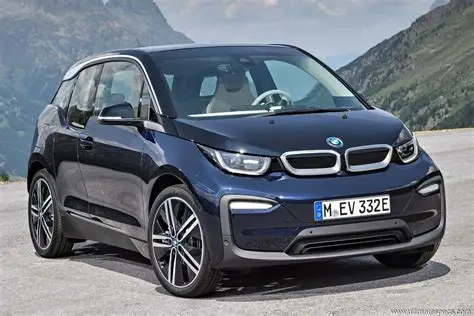
The electric vehicle industry has taken another major step forward as BMW electric cars have officially gained access to Tesla’s Supercharger network. This development marks a significant milestone in the journey toward a more unified and convenient charging ecosystem, especially for EV owners who have long sought greater compatibility and easier long-distance travel. With this move, BMW joins the growing number of automakers adopting Tesla’s charging infrastructure, reflecting the industry’s shift toward standardization and increased consumer convenience.
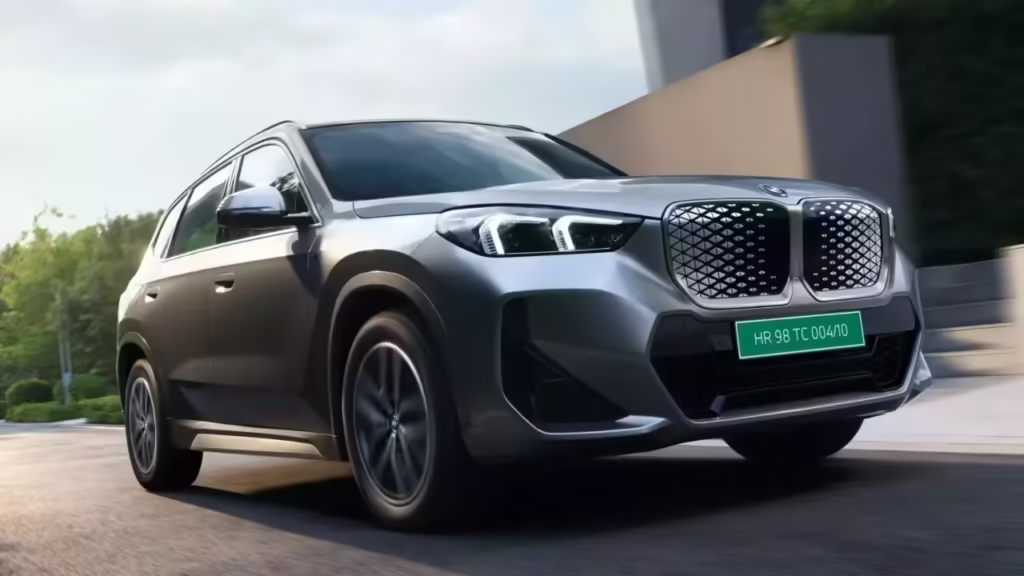
The integration of BMW EVs into Tesla’s Supercharger network comes at a crucial time for the global electric mobility sector. As more consumers switch to electric vehicles, reliable and accessible charging infrastructure has become a top priority. Although many public charging stations exist, none match the reach, speed, and reliability of Tesla’s Supercharger network. For BMW owners, this newfound access means they can now take advantage of thousands of high-speed chargers across regions where the rollout is active.
This transition is made possible through the adoption of the North American Charging Standard (NACS), Tesla’s increasingly accepted charging connector. Automakers across the industry are moving toward NACS due to its efficiency, compact design, and widespread availability. BMW’s decision to join this standard aligns the company with a growing global trend and positions its electric vehicles to be more practical for everyday use and long-distance journeys.
For BMW owners, the benefits are immediate and significant. One of the biggest challenges for EV drivers has been route planning during extended trips, especially in areas with limited charging options. With access to Tesla’s Superchargers, BMW EVs now gain a major expansion in charging coverage. This means reduced range anxiety, faster charging times, and more confidence during travel. The ability to charge at select Supercharger locations will also help reduce congestion at other public charging points, improving the overall EV charging experience.
While Tesla’s charging network primarily supports Tesla vehicles, the company has opened a portion of its Superchargers to other brands as part of an international push toward expanding EV infrastructure. BMW will support this integration through compatible hardware and software updates, depending on the model and region. Owners may require an adapter based on their vehicle’s charging port configuration, but future BMW EVs are expected to include native support for NACS, removing the need for adapters altogether.
Beyond convenience, this collaboration reflects a broader shift in the EV industry. Automakers are increasingly recognizing the importance of a shared charging standard to accelerate global EV adoption. BMW’s partnership with Tesla’s charging network signals a move toward a more cooperative ecosystem rather than isolated charging infrastructures. As more brands join the NACS standard, EV drivers across different manufacturers will benefit from enhanced compatibility and a larger network of reliable charging stations.
BMW’s commitment to expanding EV accessibility aligns with its long-term sustainability goals. The company has been steadily increasing its electric portfolio through models like the BMW i4, iX, and i7. Access to Tesla’s Superchargers strengthens BMW’s ability to serve customers who rely on consistent fast-charging options. This step also enhances the appeal of BMW EVs for prospective buyers who want dependable charging support wherever they go.
Overall, BMW’s participation in Tesla’s Supercharger network is a win for the entire EV community. It brings greater convenience, helps accelerate EV adoption, and paves the way for more unified charging standards across brands. As the rollout progresses, BMW EV drivers will enjoy a more seamless charging experience, marking a new era of compatibility and progress in the electric vehicle landscape.
FAQs
1. Which BMW EVs will support Tesla’s Supercharger network?
Compatibility will vary by region and model, with selected BMW i-series EVs gaining access first.
2. Will BMW owners need an adapter to use Superchargers?
Some existing models may require an adapter, while future BMW EVs are expected to support NACS natively.
3. Does this change improve long-distance travel for BMW EV drivers?
Yes, access to Tesla’s wide-reaching Supercharger network significantly improves convenience during long trips.
4. Why did BMW adopt the NACS charging standard?
NACS offers wider accessibility, greater efficiency, and aligns with industry-wide adoption trends.
5. Is the rollout of BMW access to Superchargers global?
The rollout is region-based and will expand over time as more chargers and vehicles become compatible.