The BMW i3 was one of the most distinctive electric cars of its generation. Introduced in 2013, it demonstrated that an electric vehicle could offer more than zero-emission driving. With its futuristic design, lightweight construction, innovative materials, and urban-focused performance, the BMW i3 introduced ideas that have become increasingly relevant as the automotive industry moves towards electrification.
At a time when electric cars were still relatively uncommon, BMW took a different approach with the i3. Instead of simply adapting a conventional petrol-powered vehicle, the company developed a car designed around electric mobility from the beginning. This decision helped make the BMW i3 an important milestone in the history of modern electric vehicles.
1. A Futuristic Design That Stood Out
One of the first things that made the BMW i3 different was its unusual exterior design. The car featured a compact body, short overhangs, distinctive lighting, and a tall cabin that prioritised practicality in city environments.
Its contrasting body panels and unconventional proportions gave it an appearance unlike most traditional BMW models. The design was focused on making the car easy to manoeuvre through crowded streets while providing a spacious interior for its size.
The i3 also featured rear-hinged rear doors, which helped improve access to the passenger area. Although this arrangement was unusual, it reflected BMW’s effort to rethink the traditional small-car layout.
2. Lightweight Carbon-Fibre Construction
One of the BMW i3’s most important innovations was its use of carbon-fibre-reinforced plastic in the passenger cell. This lightweight structure helped reduce vehicle weight, an important consideration for an electric car carrying a heavy battery.
Reducing weight can improve efficiency, handling, and overall driving performance. BMW’s approach demonstrated that electric vehicle development involved more than simply installing a battery and electric motor in a conventional body.
The use of carbon fibre was ambitious because the material and manufacturing processes were expensive compared with traditional automotive steel construction. Nevertheless, the i3 showed how advanced materials could play a role in developing efficient electric vehicles.
3. Designed Specifically for Electric Driving
Unlike many early electric cars that shared their basic architecture with petrol-powered models, the BMW i3 was developed specifically for electric mobility.
Its electric motor delivered power smoothly and quietly, while immediate torque made acceleration feel responsive in urban traffic. The compact dimensions also helped drivers navigate narrow streets and park in tight spaces.
The car’s rear-wheel-drive layout contributed to its distinctive driving character. Its low centre of gravity, supported by the battery placement beneath the floor, also helped provide stable handling.
These characteristics made the i3 particularly suitable for commuting, shopping trips, and other everyday journeys.
4. A Different Approach to Interior Materials
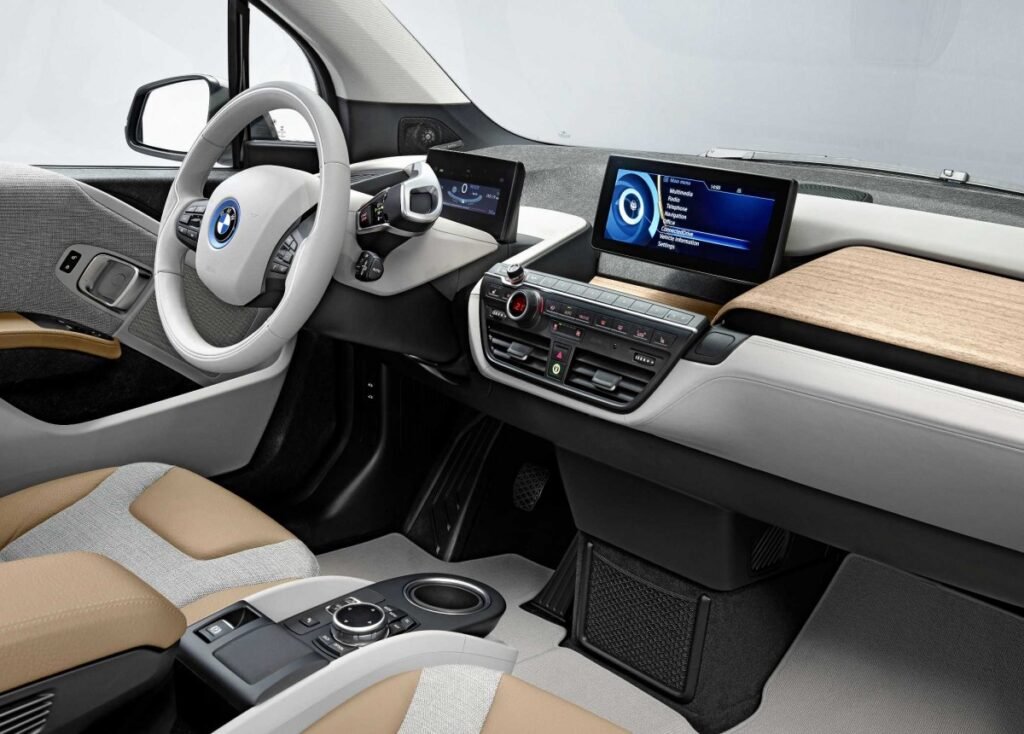
BMW also took an innovative approach to the i3’s cabin. The interior used a combination of sustainable and recycled materials, including recycled plastics and renewable materials in selected components.
Depending on the trim, the cabin featured natural-fibre elements, open-pore wood, and other materials that gave it a distinctive appearance. These choices reflected a broader sustainability strategy that considered more than the vehicle’s tailpipe emissions.
The interior design was minimalist, with a clean dashboard layout and digital displays that supported the car’s modern character. The spacious cabin and elevated seating position also helped make the vehicle practical for daily use.
5. Range-Extender Technology
Another feature that helped the BMW i3 stand out was the optional range-extender system available in selected markets and versions.
This configuration combined an electric drivetrain with a small petrol engine that generated electricity when the battery charge became low. The petrol engine did not directly drive the wheels; instead, it helped extend the vehicle’s usable driving range.
The system offered an alternative for drivers concerned about the limited charging infrastructure available during the early years of electric mobility. However, availability and specifications varied by market and model year.
The range-extender version illustrated BMW’s attempt to make electric driving more practical during a period when public charging networks were still developing.
6. Why the BMW i3 Still Matters Today
The BMW i3 helped demonstrate that electric vehicles could have their own design identity, dedicated architecture, and carefully considered materials. Its lightweight construction, urban-focused dimensions, and emphasis on sustainability anticipated several priorities now central to electric vehicle development.
Modern electric cars have benefited from improvements in battery technology, charging speeds, driving range, and manufacturing. The i3’s original limitations, including its relatively modest range compared with many newer EVs, highlight how rapidly the industry has progressed.
BMW ended production of the i3 in 2022, but its influence remains relevant when discussing the evolution of electric mobility.
Conclusion
The BMW i3 was ahead of its time because it challenged conventional ideas about how cars should be designed, constructed, and powered. Its carbon-fibre passenger cell, distinctive styling, sustainable interior materials, and purpose-built electric platform made it different from many vehicles available when it launched.
Although newer electric cars now offer longer ranges and more advanced charging capabilities, the BMW i3 remains an important example of forward-thinking automotive engineering. It helped show that the future of mobility would require a complete rethink of vehicle design rather than simply replacing petrol engines with electric motors.
FAQs
1. When was the BMW i3 first introduced?
The BMW i3 was introduced in 2013 as a purpose-built electric car focused on urban mobility and sustainability.
2. What made the BMW i3 different from other electric cars?
Its carbon-fibre-reinforced passenger cell, distinctive design, lightweight construction, and sustainable interior materials helped distinguish it from competitors.
3. Did the BMW i3 offer a range extender?
Yes. Selected versions offered a small petrol engine that generated electricity to extend driving range when the battery charge was low.
4. When did BMW stop producing the i3?
BMW ended production of the original i3 in 2022.
5. Why is the BMW i3 still important today?
The i3 helped demonstrate the potential of dedicated electric vehicle platforms, lightweight materials, and sustainability-focused design, influencing discussions about modern electric mobility.