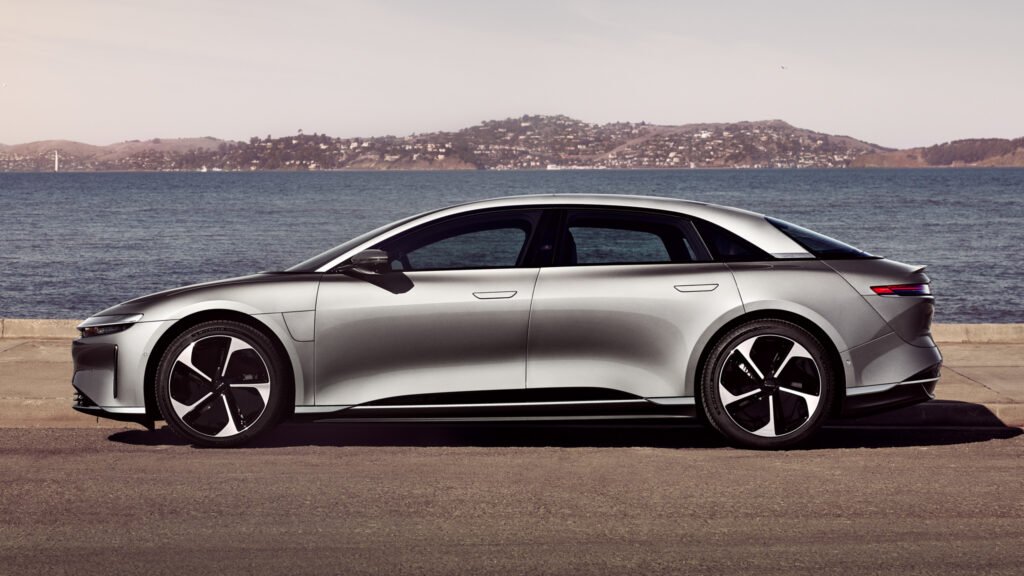
Lucid Motors is once again at the center of investor attention after renewed bankruptcy rumors triggered a sharp decline in its stock price. The luxury electric vehicle (EV) manufacturer has faced financial challenges for several years, but the latest wave of speculation has intensified concerns about the company’s long-term future. Although Lucid has not announced any plans to file for bankruptcy, market sentiment has been heavily influenced by online discussions, declining share prices, and broader uncertainty surrounding the EV industry.
The sudden sell-off has raised an important question among investors: Is Lucid Motors following the same path as other struggling EV startups, or is this another case of market speculation outweighing reality?
Why Lucid Motors Stock Is Falling
The recent drop in Lucid Motors’ stock appears to be driven primarily by bankruptcy rumors rather than any official announcement from the company. Social media discussions, investor forums, and market speculation quickly gained momentum, prompting many shareholders to sell their positions.
At the same time, the EV sector has become increasingly competitive. Rising production costs, slowing demand for premium electric vehicles, and high interest rates have created a difficult environment for many manufacturers. These industry-wide pressures have only added to concerns surrounding Lucid’s financial position.
While rumors alone do not determine a company’s future, they can significantly impact investor confidence and market performance.
Lucid’s Financial Challenges
Lucid Motors has invested heavily in expanding production, developing new vehicle technologies, and growing its manufacturing capabilities. Like many emerging automakers, these investments require substantial capital before the business reaches consistent profitability.
Although the company has generated revenue from vehicle sales, it continues to report significant operating losses. Cash burn remains one of the biggest concerns for investors, as Lucid must continue funding research, production, and future product development.
The company has relied on multiple rounds of financing to support operations, including backing from Saudi Arabia’s Public Investment Fund (PIF), which remains Lucid’s largest shareholder. This financial support has provided stability during periods of market uncertainty, although investors continue to closely monitor the company’s cash reserves.
Is Bankruptcy Likely?
At present, there has been no official confirmation that Lucid Motors is preparing for bankruptcy. While financial challenges are real, bankruptcy rumors circulating online remain speculative.
Several factors differentiate Lucid from smaller EV startups that have already failed. The company continues to manufacture vehicles, invest in future products, and maintain strong backing from major investors. These advantages provide greater flexibility compared to companies that lacked sufficient funding.
However, Lucid still faces pressure to improve vehicle deliveries, increase production efficiency, and move closer to profitability. The company’s ability to achieve these goals will likely determine investor confidence over the coming years.
Challenges Facing the Entire EV Industry
Lucid’s situation reflects broader issues affecting the global electric vehicle market. Automakers are facing:
- Slower-than-expected EV demand in some markets.
- Intense competition from established manufacturers and newer EV brands.
- Price reductions across the industry.
- Rising production and supply chain costs.
- Pressure to achieve profitability while investing in future technologies.
These challenges have affected the stock performance of several EV companies, not just Lucid Motors.
What Investors Should Watch
Rather than focusing solely on market rumors, investors may want to monitor several key indicators over the coming quarters:
- Quarterly earnings reports.
- Vehicle production and delivery numbers.
- Cash reserves and funding announcements.
- Expansion of manufacturing operations.
- Launch of new vehicle models.
- Progress toward profitability.
These metrics provide a clearer picture of Lucid’s financial health than short-term speculation circulating on social media.
Final Thoughts
Lucid Motors remains one of the most ambitious luxury EV manufacturers, but it also faces significant financial and operational challenges. The recent stock decline highlights how quickly investor sentiment can change when uncertainty enters the market.
While bankruptcy rumors have fueled panic selling, there has been no official indication that Lucid is preparing to file for bankruptcy. The company’s future will depend on its ability to improve production, grow vehicle deliveries, manage costs, and continue securing financial support.
For investors, separating verified information from market speculation remains essential. As the EV industry continues to evolve, Lucid Motors still has opportunities ahead, but execution will be critical in determining whether the company can successfully navigate its current challenges.
FAQs
1. Why did Lucid Motors’ stock fall?
Lucid Motors’ stock declined following widespread bankruptcy rumors and growing investor concerns about the company’s financial outlook and cash burn.
2. Has Lucid Motors filed for bankruptcy?
No. As of now, Lucid Motors has not announced or filed for bankruptcy. The recent speculation is based on market rumors rather than official statements.
3. What financial challenges is Lucid Motors facing?
Lucid continues to deal with operating losses, high production costs, significant investment requirements, and the need to increase vehicle deliveries while moving toward profitability.
4. Who is Lucid Motors’ largest investor?
Saudi Arabia’s Public Investment Fund (PIF) remains Lucid Motors’ largest shareholder and has provided substantial financial backing to the company.
5. What should investors monitor going forward?
Investors should watch Lucid’s quarterly earnings, cash reserves, vehicle deliveries, production growth, funding updates, and progress toward achieving profitability.