The 2026 Jeep Compass e FWD marks a significant step forward for Jeep as it continues to expand its presence in the electric vehicle segment. With increasing competition in the compact electric SUV category, real-world performance matters more than ever—especially when it comes to driving range. While official figures often paint an ideal picture, real-life testing provides a clearer understanding of what drivers can actually expect.
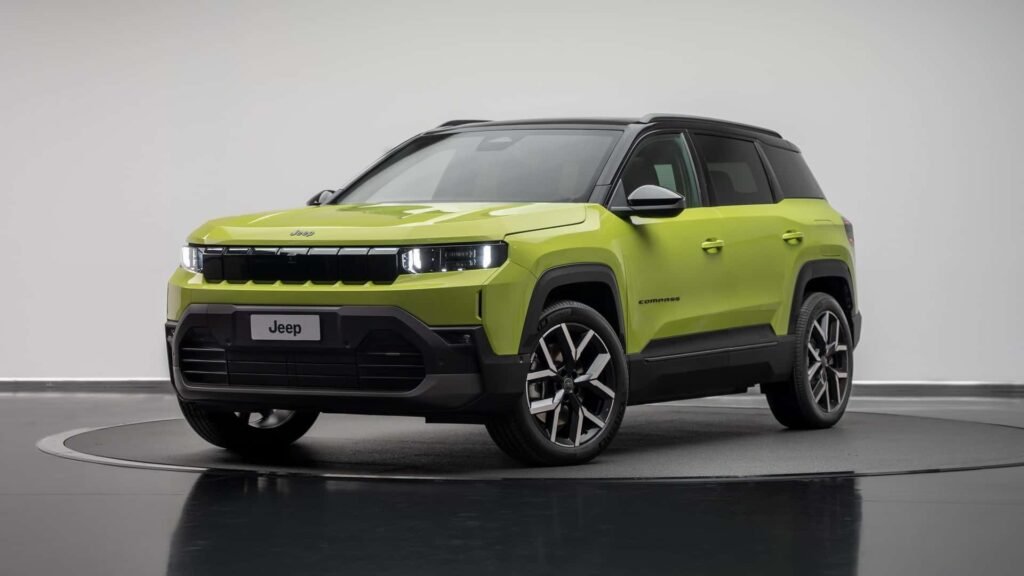
Real-World Range Test Overview
In real-life driving conditions, the 2026 Jeep Compass e FWD was put through a comprehensive range test that included a mix of city traffic, highway cruising, and stop-and-go scenarios. Unlike controlled lab tests, this evaluation focused on everyday usability, factoring in variables such as traffic flow, road conditions, and driving habits.
The results indicate that the Compass e FWD delivers a practical and consistent range that aligns closely with expectations for a vehicle in its segment. While exact numbers may vary depending on conditions, the SUV demonstrated strong efficiency, particularly in urban environments where regenerative braking plays a key role.
City Driving Efficiency
One of the standout aspects of the Compass e FWD is its performance in city conditions. Electric vehicles typically excel in urban settings, and this model is no exception. The frequent stopping and starting allow the regenerative braking system to recover energy effectively, helping extend the driving range.
Drivers can expect a smoother and more efficient experience in city traffic, with minimal energy waste. The vehicle’s responsive acceleration and refined power delivery also contribute to a comfortable daily commute, making it well-suited for urban lifestyles.
Highway Performance and Range Impact
Highway driving tells a slightly different story. At sustained higher speeds, energy consumption naturally increases, which impacts overall range. During the test, the Compass e FWD maintained stable performance, but the range saw a noticeable reduction compared to city conditions.
This is typical for electric SUVs, as aerodynamic drag and continuous power demand come into play. However, the vehicle still managed to deliver a respectable highway range, ensuring it remains a viable option for longer journeys when planned with charging stops in mind.
Driving Experience and Efficiency Balance
The Compass e FWD strikes a good balance between performance and efficiency. It does not sacrifice driving enjoyment for the sake of range, offering a smooth and controlled ride quality that aligns with Jeep’s reputation for comfort and capability.
The front-wheel-drive configuration also contributes to efficiency, as it reduces mechanical complexity and energy loss compared to all-wheel-drive setups. This makes the vehicle particularly appealing for users who prioritize range and everyday practicality over off-road capability.
Practical Usability for Daily Drivers
For most users, real-world usability is more important than maximum theoretical range. The 2026 Jeep Compass e FWD performs well in this regard, offering enough range to comfortably handle daily commutes, errands, and occasional longer trips.
Charging infrastructure and habits will still play a role in overall convenience, but the vehicle’s consistent performance ensures fewer surprises for drivers. The predictable range output allows for better trip planning and increased confidence behind the wheel.
Final Thoughts
The real-life range test of the 2026 Jeep Compass e FWD highlights its strengths as a practical electric SUV. While it may not lead the segment in outright range, it delivers reliable and efficient performance across different driving conditions.
By focusing on real-world usability, Jeep has created a vehicle that meets the needs of modern drivers transitioning to electric mobility. The Compass e FWD stands as a solid option for those seeking a balance between efficiency, comfort, and everyday convenience.
FAQs
1. What is the real-world range of the 2026 Jeep Compass e FWD?
The real-world range varies depending on driving conditions but is generally lower than official figures, with better efficiency seen in city driving.
2. Does highway driving affect the range significantly?
Yes, highway driving typically reduces range due to higher speeds and increased energy consumption.
3. Is the Jeep Compass e FWD suitable for daily commuting?
Yes, it is well-suited for daily use, offering consistent and practical range for urban and suburban driving.
4. How does regenerative braking help in range?
Regenerative braking recovers energy during deceleration, improving efficiency especially in stop-and-go traffic.
5. Is front-wheel drive beneficial for an electric SUV?
Front-wheel drive improves efficiency by reducing energy loss, making it a practical choice for everyday driving.